低用量ピルは本当に避妊できるのか?効果・誤解・現実の使われ方

Low-dose birth control pills are widely used in Japan, but information on the internet can often be confusing. It’s natural to feel anxious or wonder “what’s the truth?” when you see unverified claims such as ” low-dose birth control pills are ineffective ” or ” ultra-low-dose birth control pills are ineffective .”
Another source of confusion is that similar terms such as OC (oral contraceptives), LEP (low-dose estrogen-progestin combination pills), and ultra-low-dose pills are used with almost the same meaning. To someone unfamiliar with contraceptives, they may all seem like the same medication, but in reality, they differ significantly in their approved purpose, hormone levels, and whether or not they are actually for contraception.
Some hormone medications are specifically designed and approved for the purpose of “contraception,” while others, although having similar ingredients, are prescribed primarily for purposes such as treating dysmenorrhea, endometriosis, or regulating hormone balance.
This blog will clearly explain how birth control pills work, why some low-dose pills are reliable contraceptives while others are not officially used for contraception, and how “real-world use” affects their effectiveness and safety.
By the time you finish reading, you should have a complete picture of how low-dose birth control pills work, their actual contraceptive effectiveness, and how to avoid common misconceptions that can increase the risk of pregnancy or lead to misuse.
Understanding birth control pills correctly
What is the pill?
According to the Cleveland Clinic, birth control pills are oral contraceptives taken daily to prevent pregnancy. They use a compound of the female hormones estrogen and progestin to control the reproductive process.
The main functions are as follows:
- Suppressing ovulation
- Thickens the mucus of the cervix
- Thinning the uterine lining
These effects create an environment in the uterus that makes it difficult to conceive.
Types of pills
There are two main types of birth control pills that are medically recognized:
- Low-dose estrogen-progestin combination pills (so-called low-dose birth control pills) contain both estrogen and progestin. They suppress ovulation, thicken cervical mucus, and alter the condition of the uterine lining.
- Progestin monotherapy pills contain only progestin and primarily thicken cervical mucus, making it difficult for sperm to pass through. Some formulations also suppress ovulation.
Both types can prevent pregnancy if taken correctly.
What are low-dose birth control pills?
Low-dose birth control pills are oral contraceptives that contain less hormones compared to conventional birth control pills. Generally, they refer to a combination of estrogen and progestin with an estrogen content of around 20-35 micrograms (or around 10 micrograms for ultra-low-dose pills).
Early birth control pills contained much higher levels of estrogen than they do today, but the amount has been gradually reduced as the risk of estrogen-induced side effects became apparent.
According to the American College of Obstetricians and Gynecologists, low-dose birth control pills were developed to maintain contraceptive effectiveness while increasing safety. Most of the pills widely used today fall into this low-dose category.
Contrary to online claims that ” low-dose birth control pills are ineffective as contraception ,” research and clinical data show that low-dose birth control pills are highly effective as contraceptives when used correctly.
The primary purpose of low-dose birth control pills is to prevent pregnancy, but they also have the following effects and uses:
- To regulate the menstrual cycle and make menstruation easier to predict.
- To alleviate heavy menstrual bleeding
- Relieves menstrual cramps (dysmenorrhea)
- In some people, stabilizing hormone levels can improve acne.
- Controlling the symptoms of polycystic ovary syndrome (PCOS)
- Long-term use can lower the risk of ovarian and uterine cancer.
- In some cases, it can help alleviate PMS symptoms.
How low-dose birth control pills prevent pregnancy
Low-dose birth control pills are a reliable method of contraception because they work through a combination of multiple biological mechanisms.
1. Suppression of Ovulation : Ovulation is the release of an egg from the ovary. If an egg is not released, pregnancy cannot occur. The most important function of low-dose birth control pills is to prevent ovulation by stabilizing hormone levels.
Specifically, it works through the following mechanism:
– Suppresses hormonal signals from the brain (hypothalamus and pituitary gland). In this way, ovulation itself is suppressed.
2. Taking birth control pills that thicken cervical mucus makes the mucus thicker and stickier, making it more difficult for sperm to enter the uterus.
This acts as a physical barrier, reducing the chances of sperm reaching the egg. This effect works even if ovulation suppression is incomplete.
3. Pills that thin the uterine lining thin the uterine lining, making it difficult for a fertilized egg to implant. Even if fertilization occurs, implantation becomes extremely unlikely if the uterine lining is thin.
Are low-dose birth control pills ineffective for contraception ?
Are low-dose birth control pills ineffective as contraceptives ?
In conclusion, low-dose birth control pills are effective as contraceptives. However, proper use is extremely important.
It’s not that it’s ineffective because it’s a low dose; rather, its effectiveness in preventing pregnancy has been proven when taken correctly. However, to maintain its effectiveness, it needs to be taken continuously according to the prescribed method.
According to the American College of Obstetricians and Gynecologists, even missing just one pill can have serious consequences.
- The blood concentration of hormones decreases.
- The likelihood of ovulation occurring increases.
- The contraceptive effect decreases.
These are some of the consequences that may arise.
As a result, some people feel that “the pill doesn’t work,” but in most cases, the problem lies not with the medication itself, but with how it’s used, such as “forgetting to take it” or “taking it irregularly.”
Recently, some people have been checking information from online drugstores and personal import agency websites, but it is essential to prioritize the judgment of a healthcare professional regarding dosage and indications.
Can low-dose birth control pills prevent pregnancy?
Low-dose birth control pills, when taken correctly, offer a high level of contraceptive effectiveness. They are recognized as an effective method of contraception by medical and public institutions.
According to the U.S. Centers for Disease Control and Prevention, low-dose estrogen-progestin combination drugs are
- Approved for the purpose of preventing pregnancy
- It is highly effective when taken continuously and consistently.
- Its contraceptive effectiveness is comparable to that of high-dose birth control pills.
It is said that…
したがって、「低用量ピルは避妊効果がない」という考え方は、避妊目的で承認されている製剤については医学的に誤りです。
なぜ「低用量ピルは効かない」と思う人がいるのか
こうした誤解は、多くの場合、薬の仕組みそのものではなく、実際の生活の中での使われ方に由来しています。
現実に起こっている妊娠の多くは、次のような「理想的ではない服用状況」によって起こります。
- 1~2日でも飲み忘れがある
- 推奨されている時間と大きくずれた時間に飲む、あるいは日によって時間がまちまちである
- 本来は避妊目的ではないホルモン剤を、避妊できると思い込んで服用している
- 他の薬との併用により、避妊効果が弱まっている
- 服用後の嘔吐や激しい下痢などにより、薬が十分に吸収されていない
低用量ピルは含まれるホルモン量が少ないため、「多少の飲み忘れ」や「時間のズレ」に対する余裕が小さいという特徴があります。 短期間でも服用の間隔が空くと、ホルモン濃度が避妊効果を維持できないレベルまで低下することがあります。
そのため、低用量ピルは「「処方どおりに、途切れずに服用する」ことではじめて、本来の高い避妊効果を発揮します。
避妊効果がないホルモン剤もある
「ホルモン剤=必ず避妊できる」と思われがちですが、実際にはそうとは限りません。ホルモン成分を含んでいても、避妊を目的としていない薬もあります。
たとえば、ホルモン剤が処方される目的には次のようなものがあります。
- 月経周期の調整だけを目的とした治療
- 排卵抑制を伴わないエストロゲン補充療法
- 一定の周期でホルモンを投与する周期療法
コクラン共同計画によると、薬が妊娠を防ぐかどうかは、見た目や名前、成分だけではなく、その薬がどのような目的で設計・承認されているかによって決まります。
このような「避妊を目的としていない」ホルモン剤では、確実な避妊効果は得られません。追加の避妊方法を併用しない場合、意図しない妊娠につながる可能性があります。
避妊について話しづらいという心のハードル
ピルの使用目的を含め、避妊の話題は今でも多くの人にとってなんとなく話しづらいテーマです。そのため、次のような点について医療者に質問することをためらう人もいます。
- 自分が服用しているピルの避妊効果の程度
- 飲み忘れや服用時間が遅れた場合の対処
- 妊娠している可能性への不安
こうした遠慮やためらいがあると、情報が不十分なままになったり、正しい服用方法を理解しきれなかったりして、本来は防げるはずの避妊の失敗につながる可能性があります。
避妊の確実性を高めるためには、自分の状況や不安を医療者と率直に共有することが重要です。
避妊効果を最大限に高めるためのポイント
ピル本来の効果をきちんと引き出すには、次のような実践的な工夫が重要です。
- 毎日同じ時間に飲む
毎日決まった時間に服用することで、体内のホルモン濃度を安定させ、排卵の抑制につながります。
スマホのアラームやリマインダーを設定するのも有効です。 - 必要に応じて追加の避妊を併用する
特に次のような場面では、他の避妊法を併用することが重要です。
・服用開始から最初の1週間
・1錠でも飲み忘れがあった場合
・ピルの効果に影響する可能性のある薬を服用している場合
このような期間にコンドームなどを併用することで、妊娠リスクを下げることができます。
- シート(1周期分)を飛ばしたり遅らせたりしない
出血が続いているときや特に不調がないときでも、次のシートは指示されたタイミングで必ず開始します。開始を遅らせたり、勝手に休薬期間を延ばしたりすると、ホルモン濃度が下がり、避妊効果が弱まる原因になります。 - 医療者に相談する
医療者に相談することで、次のようなサポートが受けられます。
・自分に合ったピルの選択
・副作用が出た場合の調整
・飲み忘れや併用薬がある場合の具体的な対処
定期的な相談やフォローを受けることで、ピルを安全かつ効果的に使い続けることができます。
ピルは100%避妊できるのか
中絶や性交を一切行わないことを除いて、100%確実な避妊方法はありません。
米国疾病予防管理センターによると、ピルを「毎日同じ時間に、1錠も飲み忘れずに」完璧に使用した場合でも、年間の妊娠率は約0.3%とされています。これは、1年間に1,000人中3人程度は、正しく使用していても妊娠する可能性があるという意味です。
どれだけ正確に使っても避妊が100%保証されるわけではないため、多くの医療者は「二重の予防(デュアルプロテクション)」を提案しています。具体的には、
- 妊娠予防のためのピル
- 感染症対策と、さらに妊娠予防を強化するためのコンドーム
を組み合わせる方法です。
このような二重の予防には、次の2つの重要な利点があります。
- 意図しない妊娠のリスクをより低く抑えられる
- 性感染症の予防につながる(ピルだけでは感染症を防ぐことはできない)
まとめ
低用量ピルは誤解されることが多く、「避妊薬として効かない」「低用量や超低用量には避妊効果がない」といったイメージを持つ人も少なくありません。しかし実際には「避妊を目的として設計・承認されている」低用量ピルを正しく飲み続ければ、妊娠を防ぐことができます。
「低用量ピルは避妊に効かない」という考え方は、多くの場合、飲み忘れや服用時間のズレ、薬の相互作用、本来は避妊目的ではない薬の使用など、日常の中で起こる要因に由来しています。こうした状況では実際に避妊効果が弱まることがありますが、それは「ピルという薬自体に避妊効果がない」という意味ではなく、「継続的かつ正しい使い方ができなかった」結果として起きていることが多いのです。
また、ホルモンを含む薬の中には、そもそも避妊を目的としていないものもあります。どの薬も同じように妊娠を防げると誤解していると、意図しない妊娠につながり、「ピルは効かない」という誤った印象を強めてしまうことになりかねません。
どの避妊法も100%ではなく、ピルを正しく使っていても、ごくわずかながら妊娠する可能性は残ります。そのため、多くの医療者は、ピルとコンドームを併用する二重の予防を提案し、避妊効果を高めるとともに、性感染症のリスクも抑えることを目指しています。
最終的に、ピルの避妊効果は「自分に合った薬を選ぶこと」「指示どおりに継続して使うこと」「疑問や不安があれば医療者に相談すること」にかかっています。正確な情報、医療者との率直なコミュニケーション、そして正しい使い方こそが、低用量ピルを含む避妊法を本来意図されているとおりに機能させる一番確実な方法です。
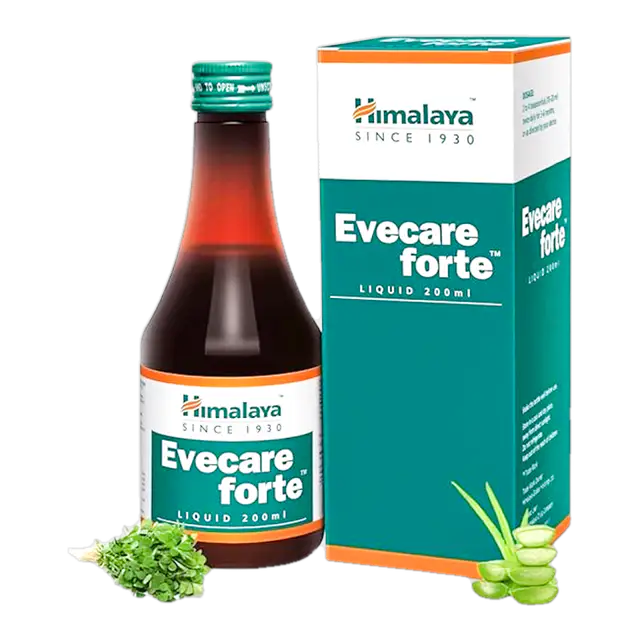
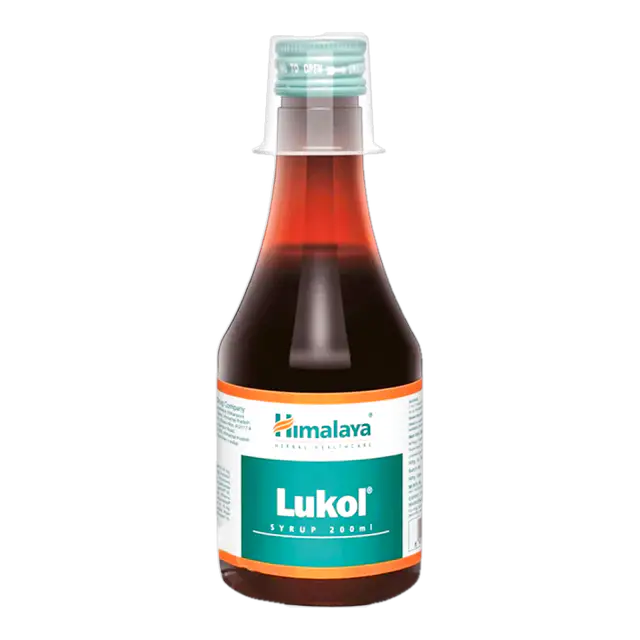
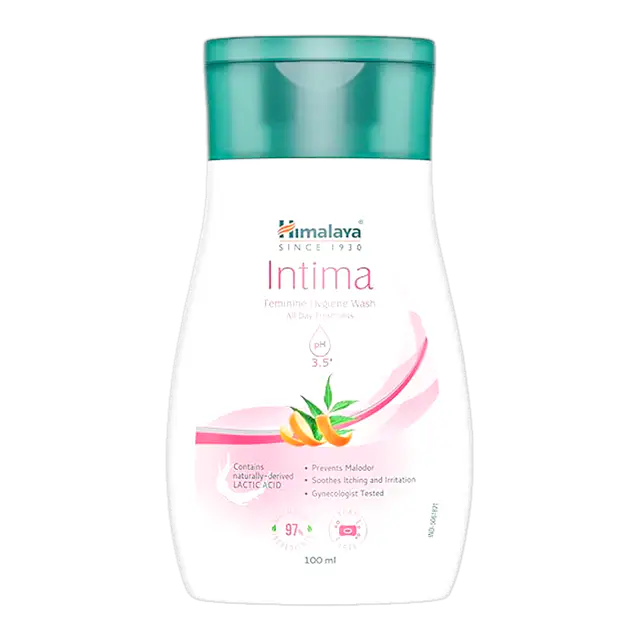
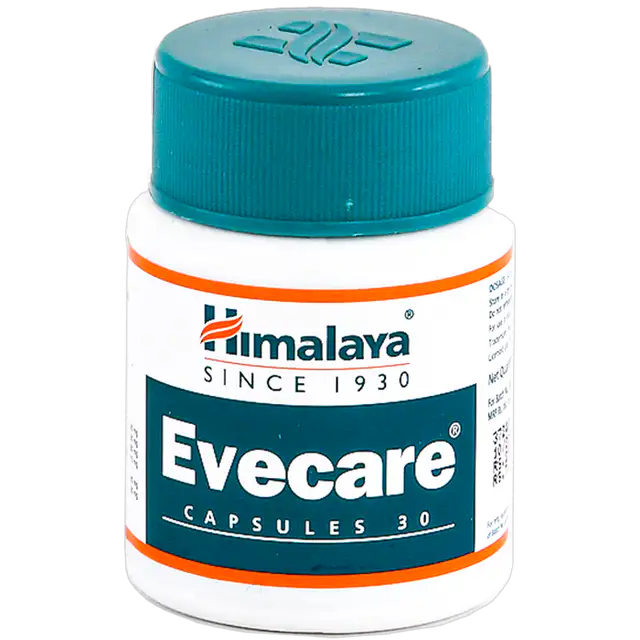
デリケートゾーンケア製品の人気アイテム
FAQ
1. Can low-dose birth control pills really prevent pregnancy?
Yes. If you take low-dose birth control pills approved for contraception as directed, you can prevent pregnancy.
2. Why do I get pregnant even though I’m taking low-dose birth control pills?
In many cases, the cause is not the medication itself, but rather forgetting to take it, taking it late, vomiting or diarrhea, or interactions with other medications. Because low-dose birth control pills contain less hormones, they are more susceptible to the effects of even minor mistakes, and their contraceptive effectiveness can easily decrease if they are not taken properly as prescribed.
3. Are all hormone medications considered “pills (contraceptives)”?
No. Some hormone medications containing estrogen and progestin are not designed or approved for the purpose of preventing pregnancy. Many are prescribed for other medical purposes, such as regulating menstrual cycles or treating hormonal imbalances.
4. If I miss taking just one pill, will the pill become ineffective?
Missing even one pill can lower hormone levels in your body, increasing the risk of ovulation. As a result, the chances of pregnancy also increase. If you realize you’ve missed a dose, it’s important to check what to do as soon as possible.
5. Are generic birth control pills less effective than the original brand-name pills?
No. Approved generic drugs contain the same active ingredients as the original drugs and are considered to have equivalent contraceptive effects. The only differences that may occur are in the side effects caused by additives or dosage forms, not in the contraceptive effect itself.
6. If I’m taking birth control pills, do I still need to use condoms?
Many medical institutions recommend “double prevention,” which involves using both birth control pills and condoms. According to the World Health Organization, condoms are the only effective way to prevent sexually transmitted infections (STIs), and birth control pills alone cannot prevent STIs.
Disclaimer
This article is intended for educational and informational purposes based on guidelines from public and professional institutions, and is not a substitute for diagnosis, treatment, or individual medical consultation by a physician. The contraceptive effectiveness of birth control pills depends on the characteristics of each drug, the correct and continuous method of taking them, individual health conditions, and interactions with other medications. For decisions regarding contraception, pregnancy prevention, and reproduction, always consult a qualified healthcare professional and do not interrupt or delay medical treatment on your own.
References
World Health Organization. Family planning: a global handbook for providers. 2018 update. Geneva: World Health Organization; 2018. Available from: https://www.who.int/publications/i/item/9780999203705
Centers for Disease Control and Prevention. Contraceptive Effectiveness. Atlanta (GA): CDC; 2023. Available from: https://www.cdc.gov/contraception/about/index.html
Faculty of Sexual & Reproductive Healthcare. Combined hormonal contraception. London: FSRH; 2019. Available from: https://www.fsrh.org/standards-and-guidance/documents/combined-hormonal-contraception/
Hatcher RA, Trussell J, Nelson AL, Cates W Jr, Kowal D, Policar MS. Contraceptive technology. 21st ed. New York: Ayer Company Publishers; 2018. Available from: https://www.contraceptivetechnology.org
American College of Obstetricians and Gynecologists. Practice Bulletin No. 206: Use of hormonal contraception in women with coexisting medical conditions. Obstet Gynecol. 2019;133(2):e128–50. Available from: https://www.acog.org/clinical/clinical-guidance/practice-bulletin
National Institute for Health and Care Excellence. Long-acting reversible contraception. NICE guideline [NG73]. London: NICE; 2019. Available from: https://www.nice.org.uk/guidance/ng73
Kaunitz AM. Hormonal contraception in women of older reproductive age. N Engl J Med. 2008;358(12):1262–70. Available from: https://www.nejm.org/doi/full/10.1056/NEJMcp0708482
Burkman R, Schlesselman JJ, Zieman M. Safety concerns and health benefits associated with oral contraception. Am J Obstet Gynecol. 2004;190(4 Suppl):S5–22. Available from: https://www.ajog.org/article/S0002-9378(04)00319-1/fulltext