薬を安全に使うための完全ガイド:副作用対応・保存管理・海外製薬の流れ
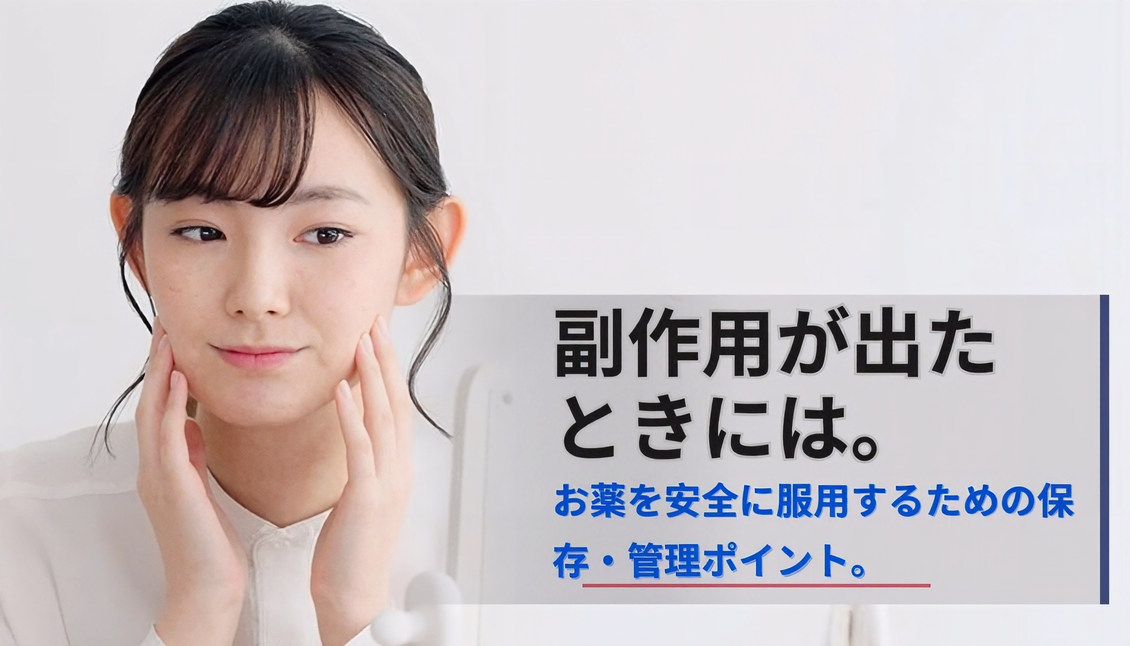
When using medication, it’s essential not only to expect its effects, but also to have the knowledge to take it safely and to be prepared for potential side effects.
In recent years, the number of people using websites for personal importation of medicines or online pharmacies has increased, but regardless of the source of acquisition, it is most important to use them safely and with the correct knowledge.
This article will explain the following three themes in an easy-to-understand way.
- How to properly respond if side effects occur
- Key points for safe storage and management of medications
- The process from when medicine is manufactured overseas until it reaches you.
Understanding these points will allow you to use your medications more safely and securely in your daily life.
- Actions to take when side effects occur
While medications have therapeutic effects, they can sometimes cause side effects. These side effects can range from mild to life-threatening, so having accurate knowledge is crucial.
Understanding the Symptoms of Side Effects
Side effects can manifest in various ways. Common examples are as follows:
- Mild symptoms : nausea, fatigue, mild headache
- Moderate symptoms : rash, itching, dizziness
- Severe symptoms : difficulty breathing, impaired consciousness, severe allergic reaction
Severe symptoms, in particular, require prompt medical attention.
Steps to take when side effects occur
- Stopping medication on your own without consulting a doctor or pharmacist can affect the treatment of your illness. It’s best to consult a doctor or pharmacist first.
- Keeping a record of your symptoms—including the name of the medication you took, the dosage, the time you took it, and when the symptoms started—will help your doctor make a smoother diagnosis.
- In case of emergency, contact a medical institution immediately. If you experience difficulty breathing, a severe allergic reaction, or loss of consciousness, do not hesitate to contact the emergency room or 119.
Paying close attention to changes in your own physical condition on a regular basis is key to early detection of side effects and safe medication use.
- Key points for safe storage and management of medications
Proper storage and management are essential to maximize the effectiveness of medication and reduce the risk of side effects. Keep the following points in mind.
Basics of storage environment
- Avoid direct sunlight : This prevents the ingredients from degrading due to light.
- Avoid high temperatures and humidity : Store in a dry place, avoiding bathrooms and kitchens.
- Keep out of reach of children : This is very important to prevent accidental ingestion.
Expiration date and remaining quantity management
- All medications have an expiration date, and their effectiveness decreases or the risk of side effects increases after that date.
- It is important not to reuse any remaining medication on your own, but to have it properly disposed of at a pharmacy or medical institution.
Management methods for each medication
- Tablets and capsules : Store in an airtight container with a desiccant.
- Liquid medications and syrups : Store in the refrigerator as needed.
- Storing in small portions : Reducing the risk of accidental ingestion by taking out only the amount needed.
Label checking habit
- Please check the name of the medication, dosage, and frequency of administration each time.
- Attaching medication labels to easily visible locations can help prevent medication errors.
Proper storage and management are fundamental to the safe use of medication. Small daily efforts can lead to great peace of mind.
- The process of developing medicines overseas
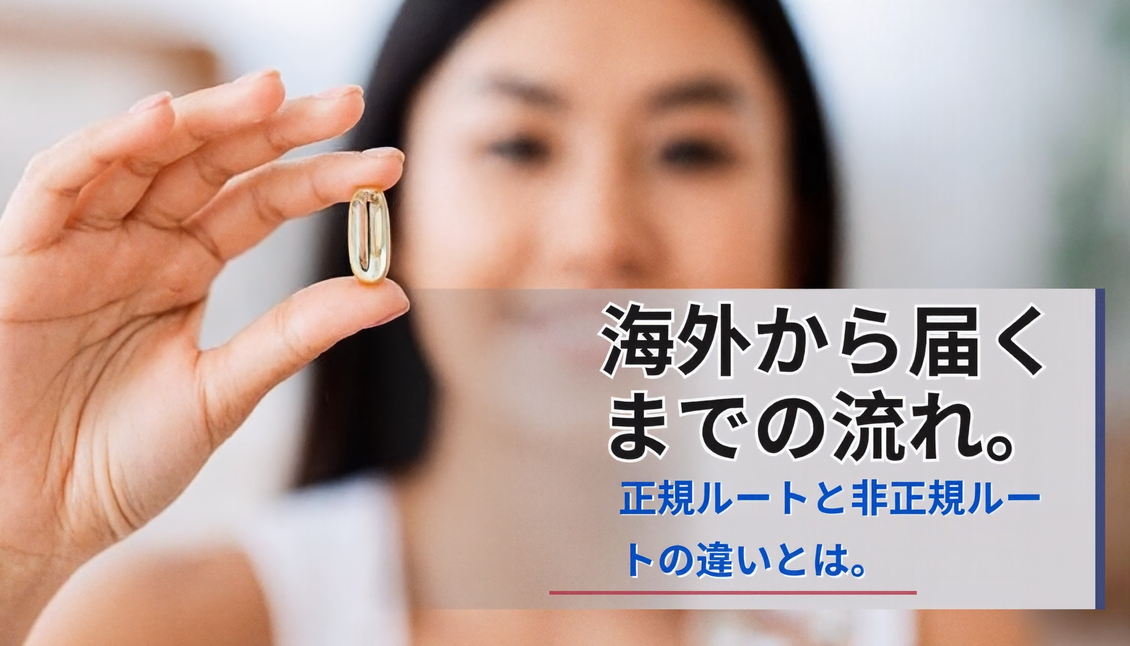
Medicines manufactured overseas undergo numerous strict controls and processes from research and development to delivery. This section provides a brief explanation of that process.
Research and development stage
The development of new drugs begins with studying the mechanisms of disease. Universities, research institutions, and pharmaceutical companies collaborate to discover new compounds and conduct initial safety assessments.
Clinical trials
Clinical trials are a process of confirming safety and effectiveness in human subjects.
- Phase 1 trial : Safety confirmed with a small number of participants.
- Phase 2 trial : Verifying efficacy and optimal dosage.
- Phase 3 trial : Large-scale comprehensive evaluation of efficacy and side effects.
Many candidate drugs are discontinued at this stage, and it can take several years to complete the development.
Approval and Manufacturing
- Regulatory authorities in each country (FDA, EMA, etc.) review its safety and effectiveness.
- After approval, manufacturing takes place under strict quality control.
- Temperature and humidity are carefully controlled during transportation.
Distribution and delivery to patients
Medicines manufactured overseas are strictly controlled during transport and delivered to patients through domestic pharmacies and hospitals. This process guarantees their safety and effectiveness.
By learning about pharmaceutical manufacturing processes overseas, you can understand just how much effort and meticulous management goes into .
Summary: Three perspectives for the safe use of medication
- Pay close attention to any signs of side effects and consult a medical professional if necessary.
- Thoroughly store and manage your medication and ensure you take it correctly.
- Understand the trends in overseas pharmaceuticals and learn the background of drug safety.
While medication is a convenient and powerful tool, it also carries risks if not used correctly. Understanding how to manage side effects, how to store and manage medications, and the manufacturing and distribution processes will allow you to take medications with peace of mind.
Understanding the background and management methods of medication, rather than simply “taking” it, is an important step in protecting your daily health.